

Legal Issues

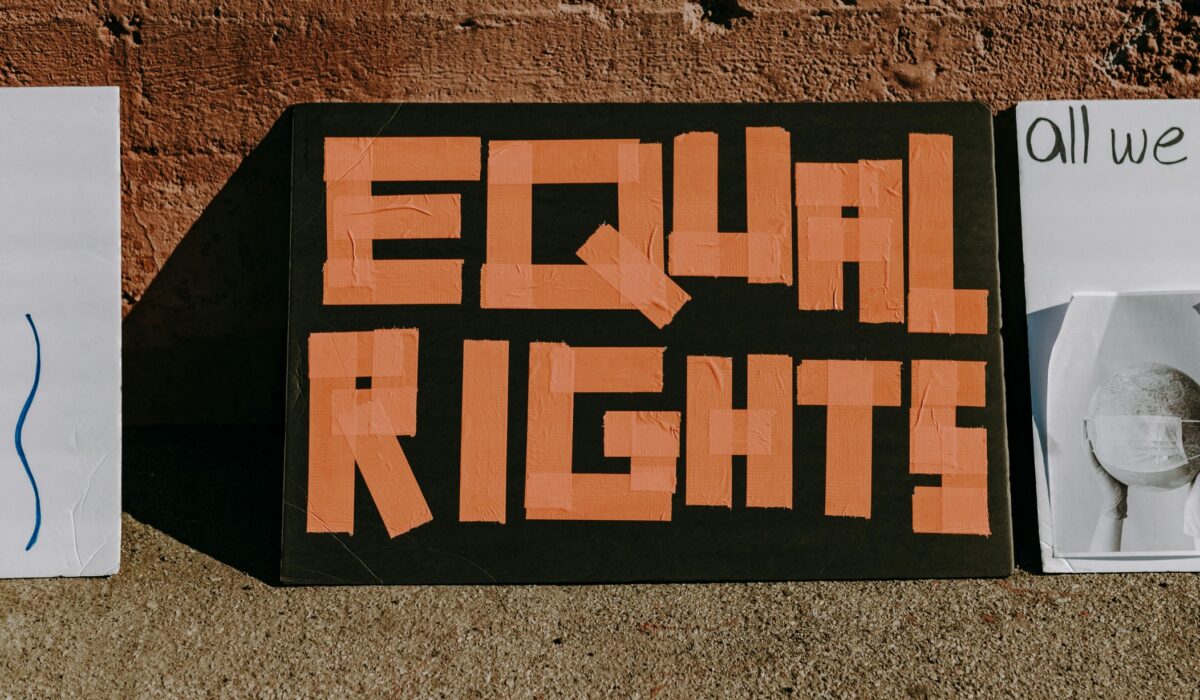
When is it okay to discriminate when hiring new employees for your NFP?

When is it okay to discriminate when hiring new employees?

Mostly, discrimination is something people want to avoid – because it’s unfair, and can be incredibly harmful. But what about situations in which discrimination might actually be helpful – either for candidates or for your organisation?

In some circumstances, particularly for NFPs, the law does provide carefully defined exemptions to state- and federal-based anti-discrimination laws. 

But this is a complex area, with different rules in different states and territories, so it can be difficult to work out what exactly the laws and exemptions are, and how they apply to your organisation.

Read more

Why your NFP needs an AI policy – and how to write one

Your NFP needs an AI policy

Generative AI has quickly made its way into almost every organisational workflow, and left the door open for a range of ethical grey areas to become potentially serious issues. From privacy breaches and the misuse of sensitive data, to biased outputs, misinformation and reputational risks – the risks that AI use pose to NFPs are new, varied, and often invisible until something goes wrong.

(And if you think your organisation’s employees aren’t really using AI, then think again – as many as a quarter (21-27%) of all employees are using AI tools secretly at work.)

So where should you start when it comes to writing an effective AI policy for your organisation, and what elements should one include?

Read more

Could you be underpaying your employees? Here’s how to know and what to do

Could your NFP be underpaying employees?

As an NFP leader, how confident are you that the people delivering your organisation’s mission are being paid what they’re entitled to? Underpayment is broad problem that affects hundreds of employers and around 250,000 underpaid Australian workers each year. Recognising the early warning signs and taking corrective action can help protect both staff and organisational integrity. Here’s where to start.

Read more

Three things you urgently need to do to ensure your employee data is safe from cybercriminals

Keep your employee data safe from cyber criminals

Last month cybercriminals stole “highly sensitive documents like police checks, child support documents, pay negotiations, HR incidents, immigration sponsorship details, COVID vaccination credentials, tax file numbers, passports and licences” from employees of Pareto Phone, a supplier to many of Australia’s largest and most well-known NFPs.

With data breaches and cyberattacks on the rise, are you one of those employers who also doesn’t have appropriate systems to protect your employee information?

If so, we’re glad to be able to outline the key things that you should be doing today to protect your employee and volunteer data from cyber threats.

Read more

Every Australian employer has new duties under the Sex Discrimination Act – here’s what you need to know

Australian employers have new duties under the Sex Discrimination Act

You may well have missed it, but in December 2022 changes to the federal Sex Discrimination Act came into affect. The legal changes have been made to better protect workers from sexual harassment and other forms of sex discrimination, harassment, and unfair treatment in the workplace, and they impose some significant new responsibilities on every Australian employer, including every NFP organisation.

These are the seven new standards that the Commission expects all organisations to satisfy the positive duty under the Sex Discrimination Act, plus some advice on what to do next to make sure your organisation is compliant.

Read more

How to respond to serious incidents in the workplace – best practice guidelines from the federal parliamentary review

Multiple sexual assault and sexual harassment complaints from workers and staffers at Parliament House in Canberra this year have been a cautionary tale for many organisations on how not to handle a serious workplace incident.

Here are 14 best-practice recommendations drawn from the Foster report that can help to improve your organisation’s response should a serious work place incident occur in your workplace.

Read more

Should your NFP have an employee code of conduct?

Every organisation has expectations of how their staff should behave at work. But without writing down those expectations, it’s easy for misunderstandings or differing expectations to form among your staff and volunteers.

To help avoid this, more NFPs are turning to a written employee code of conduct to provide clear expectations about what how staff should or shouldn’t behave at work.

Read more

How to have a conversation with employees about redundancy during the COVID-19 pandemic

Beyond its obvious health impact, the economic impact of COVID-19 is huge. Many NFPs are unfortunately facing some of the toughest decisions in HR and recruitment — reducing work hours, standing down employees and redundancies.

These are difficult conversations to have, but there are some simple points to bear in mind that can ease the process for everyone.

Read more

Free webinar: JobKeeper for not-for-profits and charities

JobKeeper Payment

The Councils of Social Service (COSS) Network is partnering with Professor David Gilchrist (University of Western Australia) for a focused, free webinar on the applicability and accounting for JobKeeper payments. This webinar will cover the key elements and considerations for applying for JobKeeper Payments for staff at not-for-profits (NFPs) and charities.

Read more