What are the leadership lessons that stay with us long after the books have been read and the courses have finished? In this series, we sit down with some of Australia’s most influential NFP leaders to explore the defining moments and insights that have shaped how they lead.
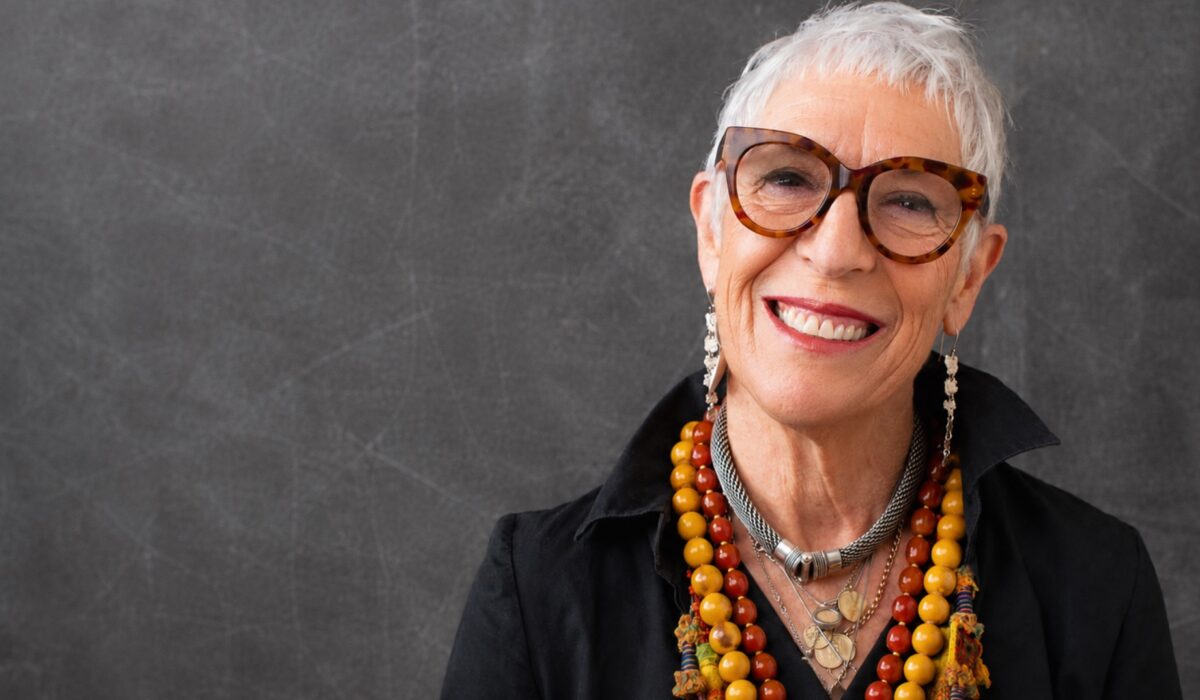
For our second post in this series, we spoke with Ronni Kahn AO, the founder, former CEO and now ‘visionary in residence’ at OzHarvest. Since rescuing her first surplus food in 2004, Ronni has grown OzHarvest into Australia’s leading food rescue organisation, recovering quality food that would otherwise go to waste from supermarkets, restaurants, farmers and businesses, and delivering it to charities that support people experiencing food insecurity. Along the way, she’s built a national team of staff and thousands of volunteers united by a shared purpose: reducing food waste and feeding people in need.
Here, Ronni shares the leadership principle that has guided her from day one: never ask someone to do something you wouldn’t be prepared to do yourself.
I never really think about being a good leader. I think about being a good person.
Leadership is about being as real as you can be. All I can do is mirror the behaviours I’d like to see in other people. If I want kindness, I have to be kind. If I want generosity, I have to be generous. If I want honesty and integrity to define our culture, those qualities have to begin with me.
I’ve never separated the person I am from the leader I try to be, and from the very beginning I’ve stood by one simple principle: I would never ask somebody to do something I wouldn’t be prepared to do myself.
It sounds simple, but I’ve realised over the years that it’s about much more than rolling up your sleeves. It’s recognising that leadership isn’t about standing above an organisation – it’s about standing alongside the people who make it possible. Everything else I’ve learned about leadership has flowed from that principle.
Understanding the work
If you’ve never experienced frontline work, it’s very difficult to make good decisions about it. You can lead through authority because you’ve been given the title, but authentic leadership comes from understanding what your people actually do every day.
That’s one of the reasons we’ve always insisted that every new employee at OzHarvest, regardless of their role, spends time on one of our vans and experiences different parts of the organisation during induction. Whether someone joins as a driver or as the head of a department, we want them to understand the organisation from the ground up.
I don’t often see the head of a bank spending a day working as a teller, but I think it would be valuable – I think leaders should be prepared to get out into the trenches. It isn’t about proving everyone can do every job. It’s about understanding the work from the inside, and building empathy.
Once you’ve stood in someone else’s shoes, you make better decisions. You ask better questions. You stop leading from assumptions or spreadsheets and start leading from understanding.
Putting people first
Over the years, I’ve been greatly influenced by the book Everybody Matters by Bob Chapman and Raj Sisodia. One of the ideas that really stayed with me is that as a leader, every person who works for you is entrusted into your care for the 40 (or 50) hours they spend at work each week. That’s a responsibility I never lose sight of, because leadership isn’t just about getting the work done – it’s about looking after the people doing it.
I often ask myself: would I do this, or speak this way, to my own child? If the answer is no, then why would I do it to one of my staff?
As leaders, we need to remember that people aren’t simply employees. They’re human beings with hopes, worries, families and responsibilities outside of work. And so our role has to go beyond managing performance. It can’t just be about that. There’s a responsibility to care for people while helping them reach their full potential.
Leading with vulnerability
People often misunderstand vulnerability. To me, vulnerability isn’t about weakness. It’s about honesty and strength. That’s what makes it one of the most essential leadership qualities. Being our authentic selves is how we build trust.
I’m not saying it’s easy to do – especially in positions of leadership. One of the hardest things for leaders to learn is that an organisation doesn’t need you to have all the answers. We think we need to appear a certain way for people to trust us. But paradoxically, when you’re willing to admit you don’t know everything, when you ask for help or acknowledge you’ve made a mistake, people tend to trust you more – not less.
Also, being able to admit that you don’t know something creates space for other people in the team to contribute, which is ultimately what we want as leaders!
Delegating with trust, not control
I think one of the biggest adjustments for people stepping into leadership roles isn’t learning a new job. It’s learning what trust feels like.
If you’ve hired talented people, especially into senior roles, trust them to do the job you’ve employed them to do. Otherwise, why build a management team in the first place? I’ve seen too many leaders try to control every decision and approve every detail in the organisation. That’s not leadership.
It’s also important that when you delegate, you understand what you’re asking someone to do – or you’re clear that you’ll be there alongside them. You’re not just pushing someone into the unknown.
At OzHarvest, we often joke that we’re home to “corporate refugees” – people who’ve come from highly competitive or toxic workplaces where somebody was always looking over their shoulder. Building psychological safety takes time, especially when team members have come from those workplaces. But when people realise they’re genuinely supported instead of constantly judged, they almost always produce their best work.
The more responsibility you trust people with, the more confident they become. The more ownership they feel, the stronger the organisation becomes.
Filling the cup
When I started OzHarvest, it was with a mindset of abundance – abundant generosity and abundant resources. Our job is to find the opportunities to tap into that abundance. But it also means we have to be fully cognisant of our own resources.
I share this philosophy because it is at the heart of our culture and applies to all of us personally: “If your cup doesn’t runneth over, you cannot be of use to other people.”
As leaders, we can spend so much time looking after everyone else that we forget to look after ourselves. We need to exercise. Meditate. Read. Reflect. Do the things we enjoy. Spend time with the people we love. Fill our own cup first. When we’ve done that, we’re able to lead from a stronger place.
Looking after yourself isn’t selfish. It’s what allows you to give fully to others.
—
Everything I believe about leadership comes back to being of service. You cannot be a leader without a team. Organisations don’t succeed because of one person at the top. They succeed because of the people who show up every day, bringing their skills, passion and commitment to make the mission possible.
That’s why I think starting with this principle of “don’t ask someone to do something that you wouldn’t do” is so important. It lays the foundation for a culture where people know their leaders will stand alongside them, not above them.
People don’t simply follow policies. They follow behaviour. If we live our values consistently, others will too. And that’s the kind of legacy every leader should hope to leave.
—
Not-For-Profit People is an initiative of EthicalJobs.com.au — Australia’s top job-search site for the not-for-profit sector and beyond. 10,000 Australian charities, not-for-profits and social enterprises use EthicalJobs.com.au to find dedicated and passionate staff and volunteers to help them work for a better world. Find out more at EthicalJobs.com.au/advertise
Related Posts
- The most important leadership lesson I’ve learned: Mat Tinkler, CEO, Save the Children Australia
- Is your workplace thriving? Australia’s largest workplace wellbeing study offers a roadmap
- The most important leadership lesson I’ve learned: Grant Bayldon, CEO, World Vision Australia
- 15 things NFP leaders should always say