
Diversity, Equity and Inclusion

How to improve your job interviews with candidates who have autism

Employers are gradually getting better at recognising the value of including neurodiverse people in their organisations, and information about accommodation strategies is starting to become more readily available.

That said, these accommodations aren’t helpful to workers if they are unable to land a job in the first place. Recruitment and selection practices can inadvertently negatively impact candidates with autism.

Some simple tactics can help lessen the likelihood of this happening.

Read more

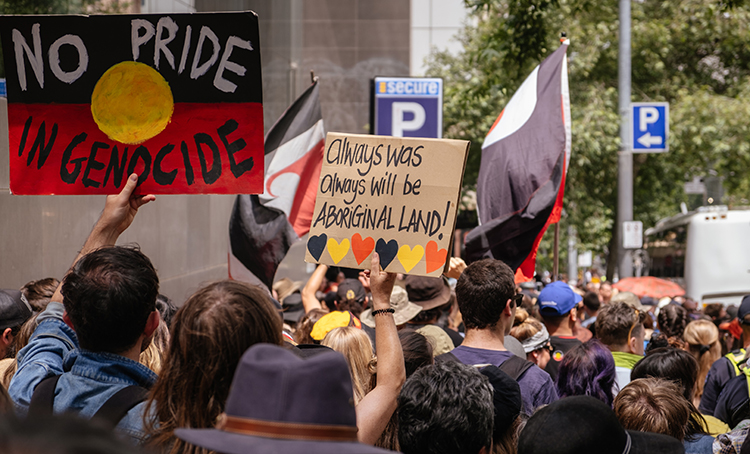
10 ways NFP employers can include Indigenous Australians

A new survey of 1,033 Aboriginal and/or Torres Strait Islander workers across Australia reveals some shocking realities about experiences of racism, the lack of cultural safety and ‘identity strain’ experienced by Indigenous people in Australian workplaces.

Only a quarter of survey participants said they worked in organisations they felt were authentically committed to change – acting, rather than simply saying they were committed to act.

Drawing from the report’s recommendations, here are 10 key actions NFP organisations can take to improve workplace inclusion for indigenous staff, starting today.

Read more

How hiring and accommodating workers with autism can benefit NFP employers – and all of us

NFP organisations seek to super-charge their impact and achieve their missions by hiring talented people, yet many capable workers are overlooked because they have autism.

Why is it happening? Largely because autism is poorly understood and managers are ill-informed about how to accommodate affected workers.

Fortunately, research has provided us with many strategies to make workplaces more inclusive.

Read more

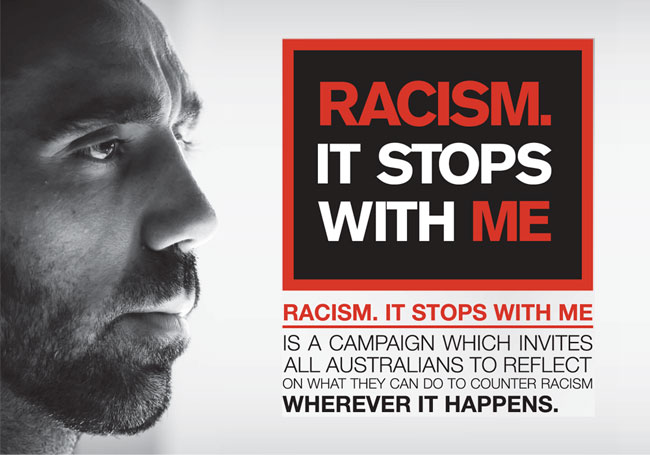
3 cognitive biases perpetuating racism at work – and how to overcome them

How is it possible that in a sector so dedicated to social justice and equity, descrimination and unequal outcomes for Indigenous Australians and people of colour persist?

When it comes to influencing our decisions and judgments around people, cognitive or unconscious bias is universally recognised to play a role in unequal outcomes.

So what can your organisation do?

Read more

What is ‘inclusion’ and how to be an inclusive leader for your team

NFP organisations have long focused on trying to make their workforces more diverse. But research shows that simply enhancing the representation of employees from diverse backgrounds is not enough. To fully tap into the positive outcomes of diversity, organisations need to focus on inclusion.

But what’s really meant by inclusion? Here’s how to be an inclusive leader for your team.

Read more

Is your NFP an attractive place to work for young people?

When it comes to shaping the future of the not-for-profit sector, young people are in a unique position.

Millennials – which covers everyone aged from about 17 to 37 – are empowered by new and emerging technologies, and are driven by a strong sense of social justice.

And that’s a good thing, since they’re the ones who will eventually be running the NFP sector – alongside the rest of our society’s institutions.

So how does your organisation do at recruiting, training and retaining young people as staff and volunteers?

Read more